

Do school desks need to be fixed to the floor? This is a question that has sparked considerable debate in the educational furniture industry. As a school desk supplier, I've witnessed firsthand the diverse needs and preferences of educational institutions when it comes to classroom furniture. In this blog post, I'll explore the pros and cons of fixing school desks to the floor, and how it can impact the learning environment.
Advantages of Fixed School Desks
Stability and Durability
One of the primary benefits of fixing school desks to the floor is the enhanced stability they provide. In a busy classroom setting, students are constantly moving around, and desks can easily get knocked over or pushed out of place. Fixed desks eliminate this problem, ensuring that they remain in a stable position throughout the day. This is particularly important in high - traffic areas or in classrooms where younger students are more prone to accidental bumps.
For example, in a science laboratory where students are conducting experiments and handling equipment, a stable desk is crucial. A fixed desk reduces the risk of spills and accidents, creating a safer learning environment. Additionally, the durability of fixed desks is often higher. Since they are securely attached to the floor, they are less likely to suffer from damage due to rough handling or frequent movement.
Classroom Organization
Fixed desks can contribute to better classroom organization. Teachers can arrange the desks in a specific layout, such as rows or groups, and be confident that the arrangement will remain intact. This makes it easier to manage the classroom, as students know where they are supposed to sit, and it also helps in maintaining an orderly learning environment.
In group work settings, fixed desks can be arranged in clusters to facilitate collaboration. Students can focus on their tasks without having to worry about the desks shifting around, which can be a distraction. Moreover, a well - organized classroom can have a positive impact on students' concentration and productivity.
Disadvantages of Fixed School Desks
Lack of Flexibility
The biggest drawback of fixed desks is the lack of flexibility. In modern education, there is an increasing emphasis on student - centered learning, which often involves different teaching methods and groupings. For instance, a teacher may want to change the classroom layout from rows to a circle for a discussion session or to small groups for a project. With fixed desks, this becomes a challenging, if not impossible, task.
This lack of adaptability can limit the variety of teaching strategies that can be employed. Teachers may be forced to stick to traditional teaching methods simply because the fixed desks do not allow for easy reconfiguration. As a result, students may miss out on the benefits of more dynamic and interactive learning experiences.
Installation and Maintenance
Fixing desks to the floor requires a significant amount of time and effort during the installation process. It may also involve making modifications to the classroom floor, which can be costly and disruptive. Additionally, maintenance can be a challenge. If a desk needs to be repaired or replaced, it can be difficult to remove a fixed desk without causing damage to the floor.
In some cases, schools may have to hire professional contractors to handle the installation and maintenance of fixed desks, which adds to the overall cost. This can be a deterrent for schools with limited budgets.
Alternatives to Fixed School Desks
Adjustable Desks
Adjustable School Furniture Desk offer a great alternative to fixed desks. These desks can be adjusted in height to accommodate students of different sizes and needs. This is especially important in promoting good posture and preventing back pain among students.
Adjustable desks can also be easily moved around the classroom, providing the flexibility needed for different teaching methods. Teachers can quickly rearrange the desks to create a collaborative environment or to accommodate individual study. What's more, adjustable desks can grow with the students, making them a long - term investment.
Multi - Student Desks
Multi Student Desks and Multi Person Student Desk are designed for collaborative learning. These desks allow multiple students to work together in a shared space. They can be arranged in various configurations, such as squares or rectangles, to suit different classroom activities.
Multi - student desks are usually mobile, which means they can be moved easily to adapt to different teaching scenarios. They promote interaction and communication among students, which is essential for developing teamwork and social skills.
Double Desks
Kids Double School Desk are another option. They are ideal for younger students and can encourage peer - to - peer learning. Like adjustable and multi - student desks, double desks can be moved around the classroom, providing the flexibility needed for different teaching styles.
Steel Frame Student Desks
Steel Frame Student Desk are known for their strength and durability. They are often lightweight and easy to move, making them a practical choice for classrooms that require flexibility. Steel frame desks can also be customized to meet the specific needs of schools, such as adding storage compartments or adjustable features.
Considerations for Schools
When deciding whether to fix school desks to the floor or choose alternative options, schools need to consider several factors. Firstly, the teaching philosophy and curriculum of the school play a crucial role. Schools that emphasize traditional teaching methods may find fixed desks more suitable, while those that promote student - centered learning may benefit from more flexible options.
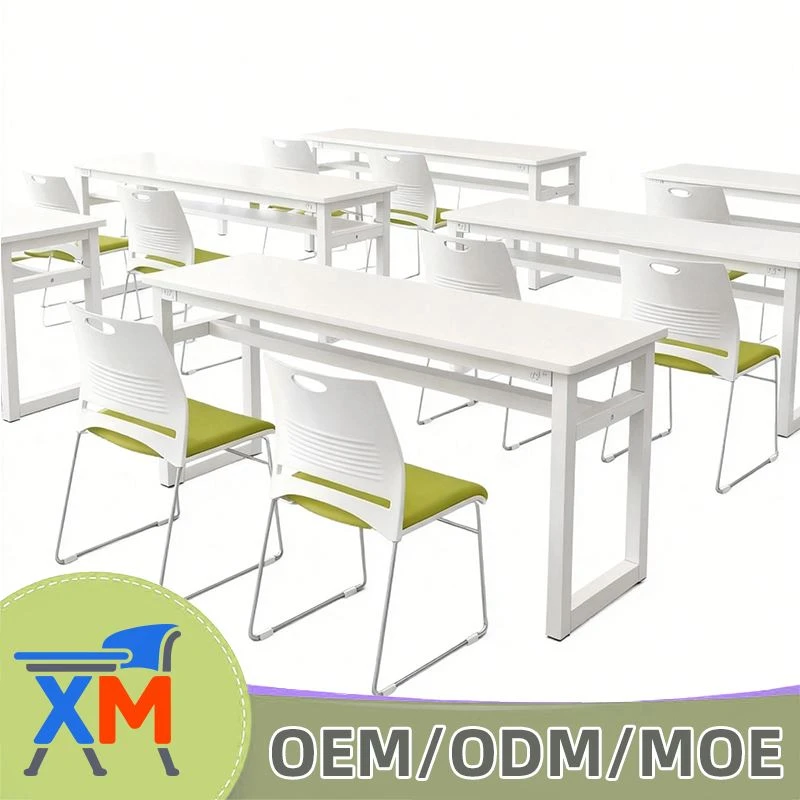
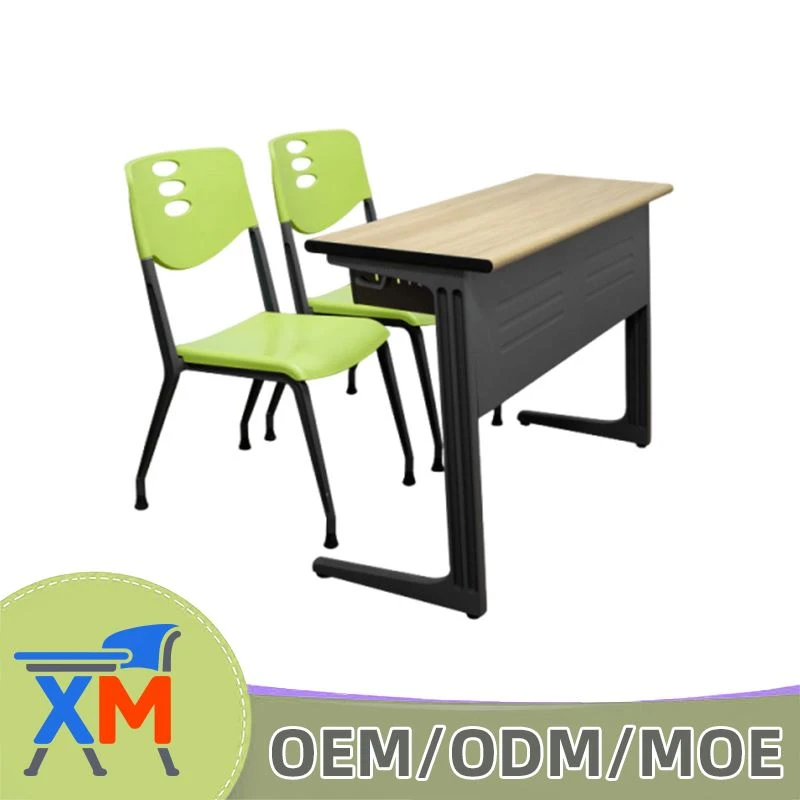
Secondly, the age and physical needs of the students should be taken into account. Younger students may require more stability, but they also need opportunities for interaction and movement. Older students, on the other hand, may benefit more from the flexibility offered by adjustable or mobile desks.
Budget is another important consideration. Fixed desks may have a lower upfront cost, but the installation and maintenance expenses can add up over time. Adjustable and mobile desks may be more expensive initially, but they can provide long - term value by accommodating different teaching needs and student growth.
Conclusion
In conclusion, whether school desks need to be fixed to the floor depends on a variety of factors. While fixed desks offer stability and contribute to classroom organization, they lack the flexibility required for modern teaching methods. Alternatives such as adjustable desks, multi - student desks, double desks, and steel frame desks provide more options for schools to create a dynamic and adaptable learning environment.
As a school desk supplier, I understand the importance of providing high - quality and functional furniture that meets the diverse needs of educational institutions. If you are interested in exploring our range of school desks and discussing how they can best suit your school's requirements, I encourage you to reach out to me. We can have a detailed discussion about the features, benefits, and costs of different desk options. Let's work together to create a better learning environment for your students.
References
- List of general educational research on classroom furniture
- Product specifications and research on different types of school desks provided by industry associations