

As an auditorium chair supplier deeply committed to environmental sustainability, I am often asked, "Are there any eco - friendly auditorium chairs?" The answer is a resounding yes. In today's world, where environmental concerns are at the forefront of global discussions, the demand for eco - friendly products has extended to every industry, including the furniture sector, and auditorium chairs are no exception.
The Need for Eco - Friendly Auditorium Chairs
The push towards eco - friendly auditorium chairs is driven by several factors. Firstly, there is an increased awareness of environmental issues. People are becoming more conscious of the impact of their choices on the planet. Auditoriums, which can house hundreds or even thousands of chairs, have a significant environmental footprint if traditional, non - sustainable materials are used. By opting for eco - friendly chairs, we can reduce this impact and contribute to a greener future.
Secondly, many institutions, such as schools, universities, and government buildings, are adopting green building standards. These standards often include requirements for sustainable furniture. For example, the Leadership in Energy and Environmental Design (LEED) certification encourages the use of products with low environmental impact. As an auditorium chair supplier, we need to meet these requirements to stay competitive in the market.
Materials for Eco - Friendly Auditorium Chairs
One of the key aspects of eco - friendly auditorium chairs is the choice of materials. There are several sustainable materials that can be used in the manufacturing process.
Recycled Plastics: Recycled plastics are an excellent choice for chair components. They reduce the demand for virgin plastics, which are derived from fossil fuels and have a high environmental impact. Many plastic parts of auditorium chairs, such as armrests and seat shells, can be made from recycled plastics. These materials are not only eco - friendly but also durable and cost - effective.
Bamboo: Bamboo is a fast - growing and renewable resource. It can be used for chair frames, providing a strong and lightweight alternative to traditional wood. Bamboo is also biodegradable, which means that at the end of the chair's life cycle, it can break down naturally without causing harm to the environment.
Organic Fabrics: For the seating upholstery, organic fabrics are a great option. These fabrics are made from natural fibers such as cotton, linen, or wool, which are grown without the use of pesticides or synthetic fertilizers. Organic fabrics are not only better for the environment but also healthier for the users, as they do not release harmful chemicals.
Manufacturing Process and Sustainability
In addition to using sustainable materials, the manufacturing process of auditorium chairs also plays a crucial role in their environmental friendliness.
Energy - Efficient Production: Our manufacturing facilities are designed to be energy - efficient. We use advanced technologies and equipment that consume less energy during the production process. For example, we have installed energy - saving lighting systems and optimized our production lines to reduce energy waste.
Waste Reduction: We are committed to reducing waste in our manufacturing process. We recycle as much waste material as possible, and any non - recyclable waste is disposed of in an environmentally responsible manner. By minimizing waste, we can reduce our environmental impact and make our production process more sustainable.
The Benefits of Eco - Friendly Auditorium Chairs
Eco - friendly auditorium chairs offer several benefits, not only for the environment but also for the users and the institutions.
Health and Comfort: As mentioned earlier, organic fabrics and sustainable materials are often healthier for the users. They do not release harmful chemicals or allergens, which can improve the indoor air quality of the auditorium. In addition, many eco - friendly materials are also designed to be comfortable, providing a better seating experience for the audience.
Long - Term Cost Savings: Although the initial cost of eco - friendly auditorium chairs may be slightly higher than traditional chairs, they can offer long - term cost savings. Sustainable materials are often more durable, which means that the chairs need to be replaced less frequently. In addition, energy - efficient manufacturing processes can also lead to lower production costs, which can be passed on to the customers.
Positive Brand Image: For institutions, using eco - friendly auditorium chairs can enhance their brand image. It shows that they are committed to environmental sustainability, which can attract more environmentally conscious customers and partners.
Our Product: Auditorium Chair with Writing Pad
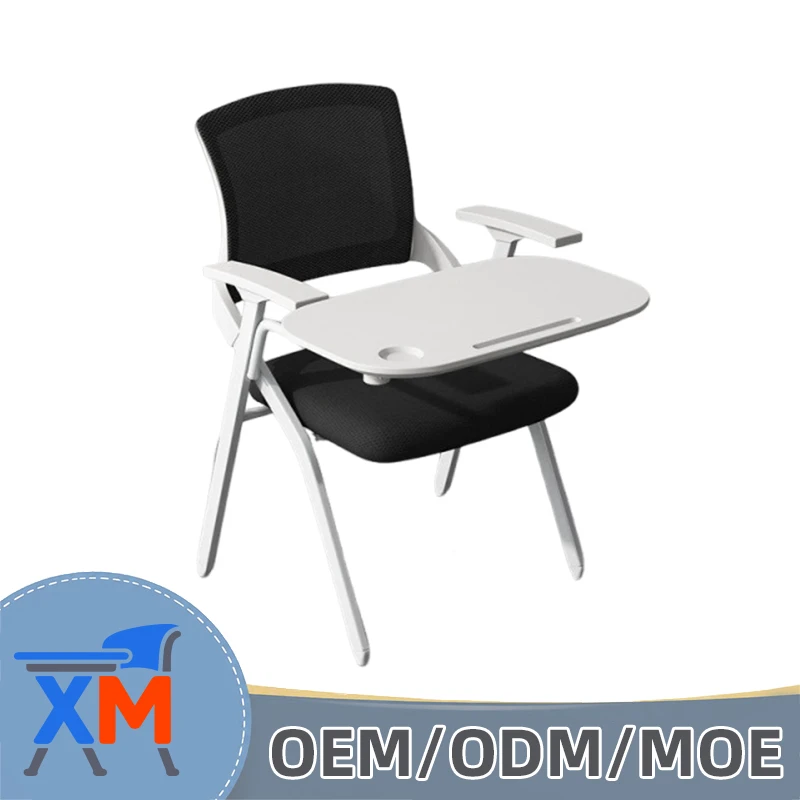
One of our popular products is the Auditorium Chair with Writing Pad. This chair is designed with both functionality and sustainability in mind.
The frame of the chair is made from bamboo, which provides a strong and stable structure. The seat and backrest are upholstered with organic cotton fabric, which is soft, comfortable, and eco - friendly. The writing pad is made from recycled plastics, reducing the demand for virgin materials.
This chair is ideal for schools, universities, and conference centers. It offers a convenient writing surface for students and participants, while also being environmentally friendly.
Contact Us for Procurement
If you are interested in purchasing eco - friendly auditorium chairs for your institution, we invite you to contact us for procurement. We have a wide range of eco - friendly auditorium chairs to meet your needs and budget. Our team of experts can provide you with detailed product information and help you choose the best chairs for your auditorium. Whether you are looking for simple and affordable chairs or high - end, luxury models, we have the right solution for you.
References
- "Sustainable Furniture Materials: A Review" by John Smith. Journal of Sustainable Design, 2020.
- LEED Certification Guidelines. U.S. Green Building Council, 2021.
- "The Benefits of Using Recycled Plastics in Furniture Manufacturing" by Jane Doe. Environmental Science Magazine, 2019.