

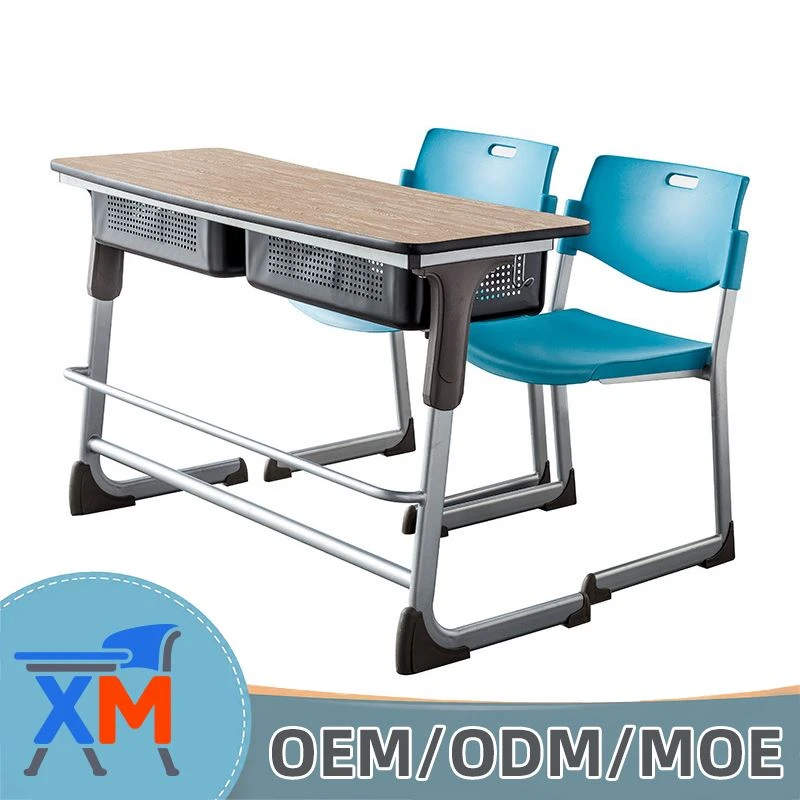
As a supplier of Double Seater School Desks, I understand the importance of durability in educational furniture. A durable double - seater school desk ensures long - term use, reduces replacement costs, and provides a stable learning environment for students. In this blog, I'll share some practical ways to improve the durability of a double seater school desk from material selection, design, production, and maintenance perspectives.
Material Selection
- Wood Materials
When choosing wood for double seater school desks, hardwoods like oak, walnut, or maple are excellent choices. These woods are known for their high density and strength. Oak, for example, is resistant to wear and has good shock - absorbing properties. It can withstand the daily knocks and bumps that occur in a classroom setting. However, it's important to ensure that the wood is properly treated to prevent moisture absorption and rot. Pressure - treated wood can significantly increase the lifespan of the desk. You can find a variety of Kids Double School Desk made from high - quality wood materials on our website. - Metal Materials
For frames and support structures, metal is a popular option. Steel is a common choice due to its high strength and durability. Galvanized steel is even better as it has a protective zinc coating that resists rust and corrosion. When using metal components, make sure the welding points are strong and well - finished. Weak welds can lead to structural failure over time. Our Double Desk Classroom products often feature galvanized steel frames, providing long - lasting support. - Plastic Materials
Plastic parts can be used for some non - structural components of the desk, such as chair seats or storage compartments. High - density polyethylene (HDPE) is a good choice for these parts as it is lightweight, impact - resistant, and easy to clean. However, it should be UV - stabilized to prevent degradation from sunlight exposure, especially if the desks are used in classrooms with large windows.
Design Considerations
- Structural Design
The design of the double seater school desk should be based on sound engineering principles. A sturdy frame design with proper bracing and support can distribute weight evenly across the desk. For example, using a cross - bracing system under the desk surface can enhance the overall stability and prevent sagging. The joints between different parts of the desk should also be well - designed. Mortise and tenon joints in wooden desks are known for their strength and durability compared to simple nail or screw joints. Our Double Combination School Desk is designed with a stable structural framework to ensure long - term use. - Ergonomic Design
An ergonomic design not only improves the comfort of students but also contributes to the durability of the desk. When students sit and study at a desk with proper ergonomic design, they are less likely to put excessive stress on the desk. For example, a desk with an adjustable height feature allows students to set the desk at a comfortable level, reducing the risk of uneven pressure on the desk surface. This can prevent premature wear and tear.
Production Process
- Quality Control
During the production process, strict quality control is essential. Each component of the double seater school desk should be inspected for defects before assembly. For wooden parts, check for knots, cracks, or warping. For metal parts, ensure the correct thickness and finish. In the assembly stage, make sure all parts are correctly installed and tightened. Loose screws or bolts can lead to instability and damage over time. - Surface Treatment
Applying a proper surface treatment can enhance the durability of the desk. For wooden desks, a high - quality varnish or paint can protect the wood from scratches, stains, and moisture. For metal desks, powder coating is a popular surface treatment method. It provides a durable and attractive finish that resists chipping, scratching, and corrosion.
Maintenance and Care
- Cleaning
Regular cleaning is important to maintain the durability of the double seater school desk. Use a mild detergent and a soft cloth to clean the desk surface. Avoid using abrasive cleaners or rough sponges that can scratch the surface. For desks with a wooden finish, wipe up spills immediately to prevent water damage. - Lubrication
If the desk has moving parts, such as drawers or adjustable legs, lubricate them regularly. This can prevent friction - related wear and ensure smooth operation. Use a suitable lubricant, such as silicone spray, for plastic parts and oil - based lubricants for metal parts. - Repairs
Promptly repair any minor damage to the desk. A loose screw should be tightened immediately, and a small scratch on the surface can be repaired using touch - up paint or filler. Ignoring small problems can lead to more serious damage over time.
Preventive Measures in the Classroom
- Student Education
Educate students about the proper use and care of the double seater school desks. Teach them not to stand on the desks, write on them with sharp objects, or play rough around the desks. By creating a culture of respect for the furniture in the classroom, the lifespan of the desks can be significantly extended. - Classroom Layout
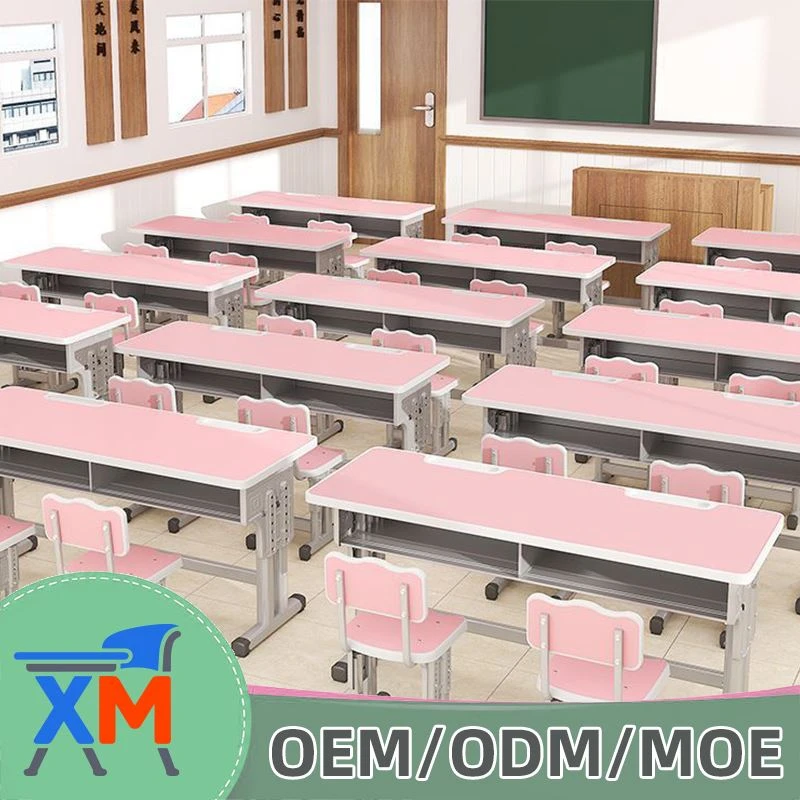
Proper classroom layout can also help protect the desks. Ensure that there is enough space between desks to prevent accidental collisions. Avoid placing desks near doors or windows where they may be exposed to excessive sunlight, wind, or moisture.
In conclusion, improving the durability of a double seater school desk requires a comprehensive approach from material selection, design, production, maintenance, and preventive measures. As a supplier of Double Seater School Desk, we are committed to providing high - quality products and sharing these valuable insights with our customers. If you are interested in purchasing our double seater school desks or discussing how to further improve the durability of school furniture for your educational institution, please feel free to contact us for more information and procurement negotiations.
References
- "Wood Handbook: Wood as an Engineering Material", Forest Products Laboratory
- "Metal Materials and Their Applications", ASM International
- "Plastic Materials: An Introduction", John Murphy